When Should You Start Giving Collagen to a Dog With Hip Dysplasia?
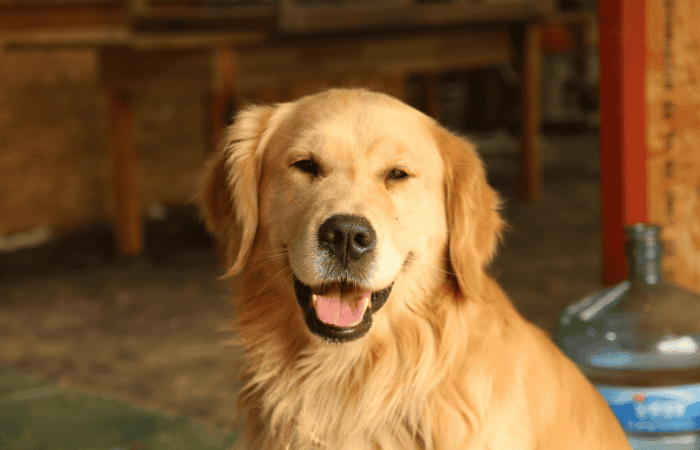
Hip dysplasia is a prevalent disease in dogs, particularly larger breeds, that affects normal hip joint growth and alignment. The condition, with the passage of time, has the potential to influence mobility, comfort, and quality of life. Among supportive measures under contemplation by owners is one that keeps emerging in the form of a canine supplement constituted of collagen. But an important question remains: when is the right time to introduce collagen as part of a hip dysplasia dog treatment plan?
Understanding Hip Dysplasia in Dogs
Hip dysplasia results when the ball-and-socket joint of the dog’s hip doesn’t fit together. Rather than slipping smoothly, the joint may rub, causing instability and chronic wear and tear. Typical indicators are
- Difficulty getting up or down
- Reluctance to climb stairs or jump
- Stiffness after lying down
- Reduced activity or play
These signs usually become apparent as the condition progresses, but joint changes can start during puppyhood.
Why Collagen is Important to Joint Health
Collagen is the primary structural protein of connective tissue such as cartilage, tendons, and ligaments. The hip joint in dysplastic hip dogs undergoes an excessive stress and friction that results in erosion of the joint tissue with time. A dog’s collagen supplement may be one component in keeping the structure of the joint intact along with other management strategies such as weight control, exercise, and consultative advice from a veterinarian.
The Role of Timing: When to Start Supplementation
The time of taking collagen supplement for dogs is decided by some important factors:
Puppies with High-Risk Genetics
Some breeds like German Shepherds, Golden Retrievers, and Labradors have genetics that are at high risk for hip dysplasia. For these breeds, it is well-suited to introduce collagen supplements as a preventive measure before the onset of signs and symptoms.
Early Joint Discomfort
When your dog begins to develop early indicators like slow gait, stiffness from time to time, or avoiding performing routine daily activities, owners turn towards collagen. It is able to stop the development of pain by treating the joint issues at this stage.
Veterinarian Diagnosis of Hip Dysplasia
Once hip dysplasia has been diagnosed, a veterinarian may recommend the addition of joint-focused approaches. Collagen may then be incorporated into a dog hip dysplasia natural remedy that might comprise physical therapy, weight management, and other options recommended by a veterinarian.
Collagen Supplement Based on Lifestyle Changes
Collagen is no magic pill but is most effective when used in combination with other practices that promote overall joint health. Key strategies include:
- Normal weight:Excess weight puts additional stress on already compromised hip joints.
- Controlled exercise: Quick walking and swimming are impact-free exercises that help in muscle strength without overburdening the hips with excess stress.
- Simple living environment: Inclusion of non-slip flooring, orthopedic mattresses, and car or furniture ramps can make living convenient.
- Veterinary check-ups: Regular exams help track the progression of hip dysplasia and allow for timely adjustments to the treatment plan.
Monitoring Progress over Time
Consistency is always the standard procedure when administering a collagen supplement to dogs. Owners will also have to pay attention to the movement, activity, and behavior of the dog over time. Effects may not be immediate but could be seen in the long term with the continued administration of medication. Monitoring mobility problems or trends can also assist veterinarians in making appropriate recommendations.
Final thoughts
Starting collagen supplementation for a dog with hip dysplasia depends on genetics, age, and visible symptoms. Early entry in breeds at risk or in dogs with growth involving joint problems can prove long-lasting benefits, and a veterinarian is consulted for safe and efficient application as part of a comprehensive hip dysplasia dog treatment plan. Most pet owners love adding supplements like OptiWize Collagen Plus to their pet’s regimen, in combination with lifestyle and veterinarian care, to help improve mobility and well-being.
Most Read