Laser Hair Removal Machines for Different Hair Types: What Works Best?
Laser hair removal has turned out to be the most reliable option for individuals seeking smoother skin without the need for constant waxing or shaving. People are often unsure regarding selecting the right device type since hair color and texture often impact the overall results. Knowing how different machines target the follicles can help you in creating the most effective plan for lasting reduction.
Following the right methods can offer better comfort that sets the ground for realistic expectations during the treatment. In this post, we are going to share some proven insights to help people select the right type of laser hair removal machines.
Understanding Hair Types and Why They Matter
- Hair Density
The density of the hair influences the ease with which the follicle is reached by energy. Intense growth tends to absorb more heat, which favors better results as opposed to sparse areas. The coarser strands do not react the same way as the finer ones, which affects the settings professionals typically use to achieve safer output during treatment sessions.
- Color Influence
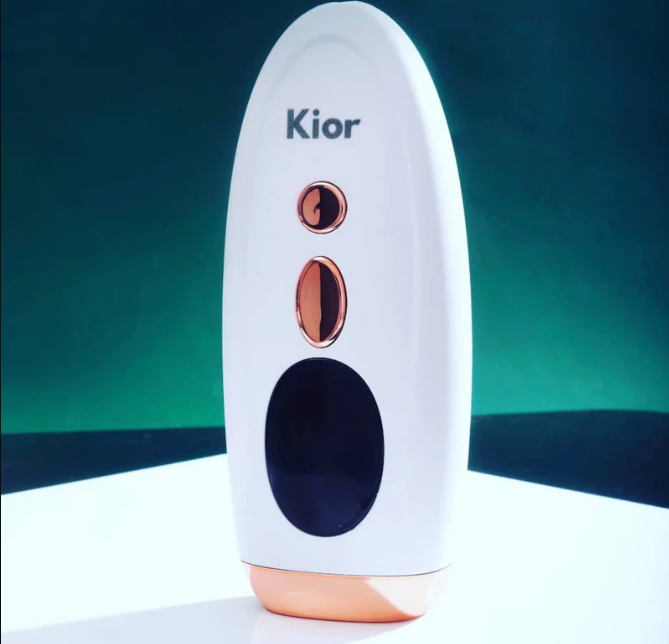
The color of the hair alters the light-to-heat conversion inside the follicle. Darker strands perform better, and lighter colors might need some extra assistance with equipment such as the Kior High frequency wand for hair, which can be used as an addition to some daily routines.
- Growth Cycles
Hair also grows in cycles that define the time an intervention is most effective. The active stage is when follicles respond best, and that is why several sessions are required. Knowledge of these cycles aids in managing expectations and proper scheduling.
Matching Laser Types to Your Hair Type: What Works Best?
The most sensible pairings of hair traits and machine types yield better results. Smart selection helps to achieve a higher level of comfort and a more balanced decrease in various body areas.
Coarse Dark Hair
Rough, dark hair absorbs energy quickly, and this usually yields stronger results when handled with advanced systems. Deep pigmentation enables greater penetration and thus prolonged reduction with time. To minimize discomfort in thicker strands, professionals tend to use versatile machines that have constant temperature control.
Proper session balancing helps sustain the steady growth of areas that tend to grow rapidly. Selecting devices with a stable cooling mechanism helps make dense growth a safer process.
Fine Dark Hair
Dark and thin hair requires more delicate treatment, since the reduced weight per strand reduces the amount of heat absorbed. The controlled energy is directed to the follicle with lighter pulses, avoiding excessive surface exposure. Professionals also set settings that can be reduced gradually, which prevents irritation in sensitive areas.
The finer strands respond more slowly, as treatment schedules are sometimes a little longer. Regularity creates greater momentum, underpinning more consistent advancement over a few weeks.
Light Brown Hair
Light brown hair responds differently because melanin levels vary between individuals. Moderate pigmentation usually benefits from mid-strength settings, which balance safety with effectiveness. Treatment works best when devices maintain a steady output that concentrates heat without stressing the surrounding skin.
Gradual refinement across multiple sessions supports even thinning of hair in various regions. Planning frequent appointments helps sustain the reduction process for lighter tones, which respond at a slower pace.
Blonde Soft Hair
Blonde soft hair is particularly challenging since there is little pigment to absorb a significant amount of energy. Light environments permit slow targeting of available melanin and minimise chances of surface sensitisation. The development is often gradual, and this implies that every step must be taken patiently.
There are other methods that professionals may depend on to ensure that the follicle response is achieved, and at the same time, comfort is upheld during treatment. Regular intersession care assists in keeping the skin in balance as the reduction process proceeds.
Hormonal Area Hair
Internal fluctuations tend to make hormonal areas like the chin or bikini area more stubborn with regard to hair growth. The changes bring about unpredictable cycles that demand flexible session planning. Professionals apply specific environments that respond to the needs of individual zones without causing discomfort.
The frequency of treatment might increase due to the faster rate of growth in hormonal hair. Constant monitoring will aid in fine-tuning power settings to enhance the long-term performance of sensitive regions.
Cost, Sessions & Expected Results for Each Hair Type
- Overall Costs
The prices are varied depending on the size of the body area, type of machine, and sessions required. The transparent consultation assists in making an accurate investment in long-term enhancement.
- Session Count
Most people need to be visited more than once because follicles respond only at certain stages of growth. The periodicity of appointments keeps the pace going and works towards better overall improvement.
- Expected Outcome
The outcomes differ depending on hair thickness, color, and hormonal levels. Regular scheduling facilitates superior long-term results, leading to smoother skin due to the progressive weakening of follicles.
Conclusion
A considerate hair removal policy helps achieve greater comfort and predictability. The selection of an appropriate device will make the journey easier and will assist in remaining confident at every stage. Professional advice promotes safer choices for various skin and hair features. The most desirable factor is consistency because progress is gained after each session. Every person who is aware of their individual hair profile can make decisions aligned with their personal objectives and long-term skin health.
Most Read