When to Use Cat Joint Supplements for Optimal Feline Mobility
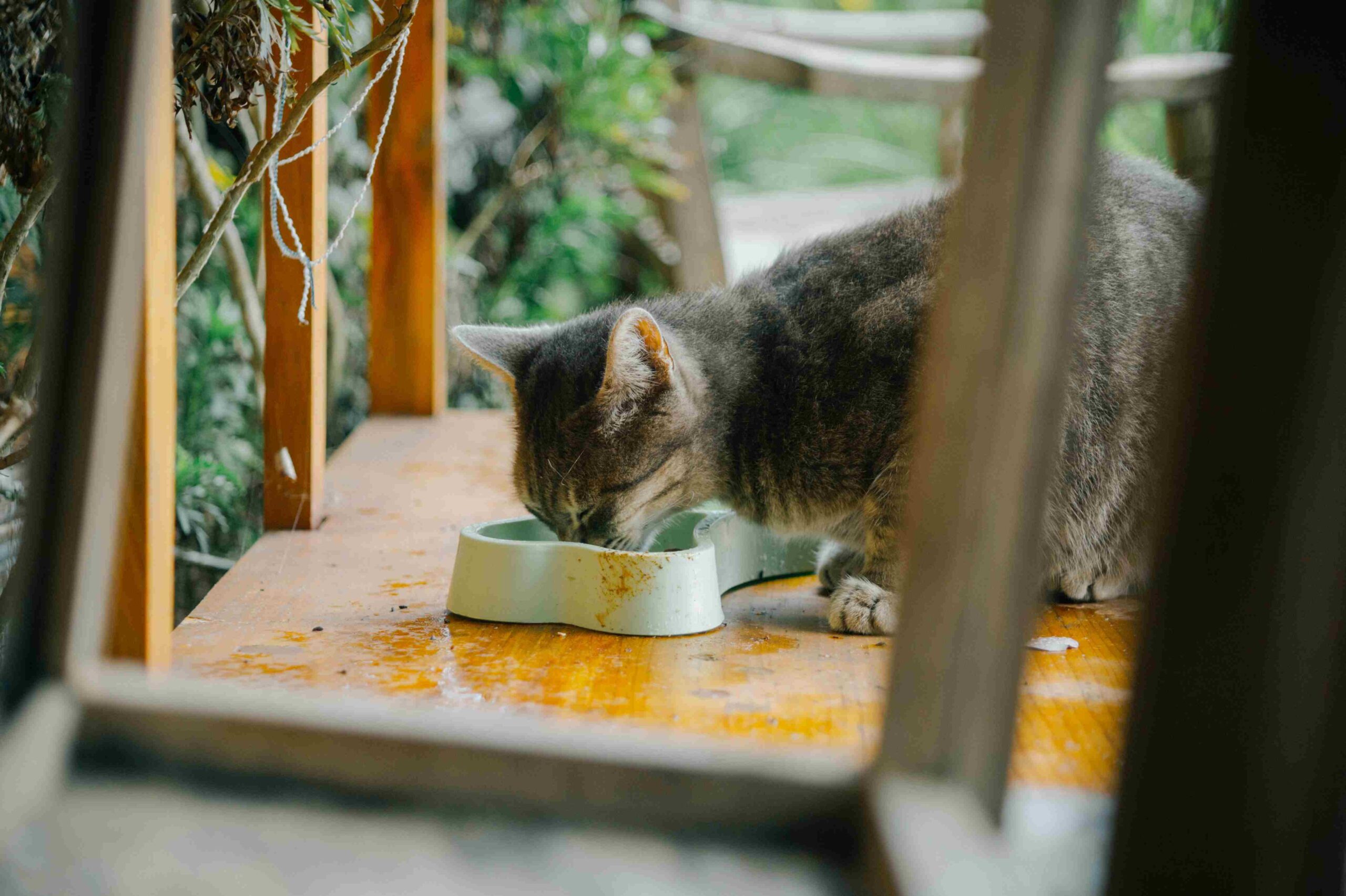
Cats are known for their walk, balance, and stroll. Jumping down from counters or over toys, agility is part of the health of a cat. However, with the elapse of time or some health issues in cats, the joints are not as slick anymore. That is where cat joint supplements come into their healthcare routine.
Let’s explore when it is the right time to consider using joint supplements, what ingredients to look for such as chondroitin sulfate and how these products can support your cat’s long-term comfort and activity levels.
Signs Your Cat May Benefit from Joint Support
Unlike dogs, cats are often more subtle when experiencing discomfort. As natural masters of hiding their struggles, many cats won’t vocalize or limp until mobility issues become advanced. Cat owners therefore need to observe for signs of change in behavior that indicate joint stiffness or restricted movement.
Common signs include:
- Unwillingness or hesitation to jump on surfaces
- A visible decrease in grooming (due to decreased flexibility)
- Increased resting or sleeping duration
- Litter box behavior change (avoidance of large boxes)
- Irritability or aggressive petting
- Decreased playfulness during play sessions
If you observe these warning signs, it is time to add cat joint supplements to your overall wellness regimen. Even kittens, particularly cats of some breeds or body types, will benefit from early joint upkeep.
When to Start Cat Joint Supplements?
Senior Cats (7+ years):
Cats just naturally acquire normal wear and tear in the joints as they get older. It is often suggested by many veterinarians to strengthen the joints at some point during the 7th year, even if there are not apparent issues. Preventive maintenance can possibly ensure long-lasting flexibility and comfort.
Obese Cats
More weight continues to bear down on joints in a cat. If your cat is obese, including a joint supplement as part of a regimen to maintain its mobility alongside weight management.
Congitally Affected Cats
There are particular breeds such as the Scottish Fold or Maine Coon most susceptible to joint issues. Cats with existing conditions or a history of mobility disorders will benefit from daily and ongoing joint support.
Post-Surgery or Injury:
After orthopedic surgery or physical injury, cats can develop compromised joint function. Under these circumstances, your veterinarian may prescribe a course of supplements to maintain joint structure after recovery.
Active or Athletic Cats:
Active younger cats that jump and play in their phenomenal manner may have to take joint maintenance for staying young even when aging. Cat joint supplements are not only applied to older cats but also may play a preventive role in keeping them living healthy.
What to Look for in Cat Joint Supplements
When selecting a joint supplement, ingredient quality and product composition matter most. Not all products are equal, and every cat will respond best to one type (chews, powders, or capsules). Observe these main components in feline joint health:
Glucosamine:
The supplement helps in cartilage growth and repair and is one of the most recognized ingredients found in joint supplements.
Chondroitin Sulfate
But another top-selling choice in cat joint supplements, chondroitin sulfate, is paired with glucosamine to preserve cartilage and joint lubrication. It is commonly derived from animal tissue like fish cartilage or bovine trachea.
MSM (Methylsulfonylmethane)
A sulfur compound that occurs naturally, MSM is used to stimulate soft tissue and body connective tissue.
Omega-3 Fatty Acids:
Fish oil omega-3s preserve joint health and skin and coat health.
Hyaluronic Acid:
This naturally occurring substance helps maintain joint lubrication and fluid retention.
Antioxidants and Botanicals
Add-in supplements with vitamin E, green-lipped mussel, or turmeric can provide further assistance to joint function and general well-being.
Consult with your veterinarian first prior to supplementing with a new substance, particularly if your cat has already got chronic problems or is being medicated.
Giving Joint Supplements to Cats
Cats are such finicky eaters you will have to discover something that tastes good. There are supplements in every size and shape, such as:
- Soft meat-flavored chews
- Powdered flavor that may be sprinkled on food
- Liquid formula with droppers
Starting with a small dose and gradually increasing it can help cats adjust. Make sure to observe your cat’s response and report any changes to your veterinarian.
Final thoughts
Supporting your cat’s joint health can be a proactive and thoughtful part of their overall care. While not every cat will show visible signs of joint discomfort, subtle changes in movement, posture, or behavior may signal the need for additional support. Regardless of the reason your cat is older, healing from injury, or just highly active, including cat joint supplements specifically those that contain chondroitin sulfate in their daily diet can be a valuable move to keep them capable of getting around.
Among its choices is OptiWize Collagen Plus, designed specifically with the joint-supplemental nutrients required for your pets. By incorporating it in an entire wellness program, it could assist in supporting your effort in keeping the life of your cat healthy.
Remember, staying ahead of joint health challenges is always easier than trying to catch up after issues arise. Consult with your vet, evaluate your cat’s requirements, and do what is needed to have them comfortable and functional well into their older years.
Most Read