How Often Should You Get Botox Treatments?
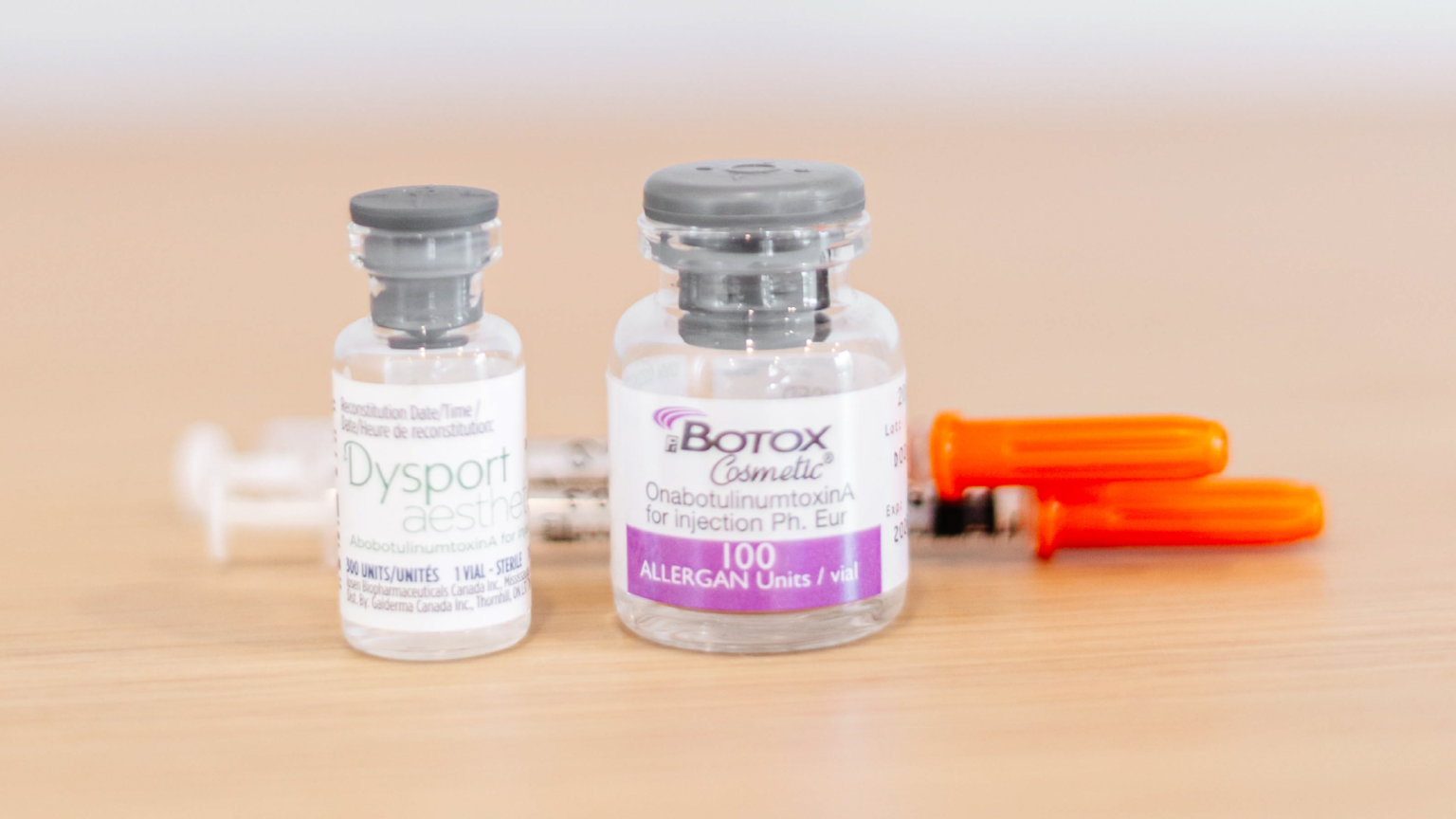
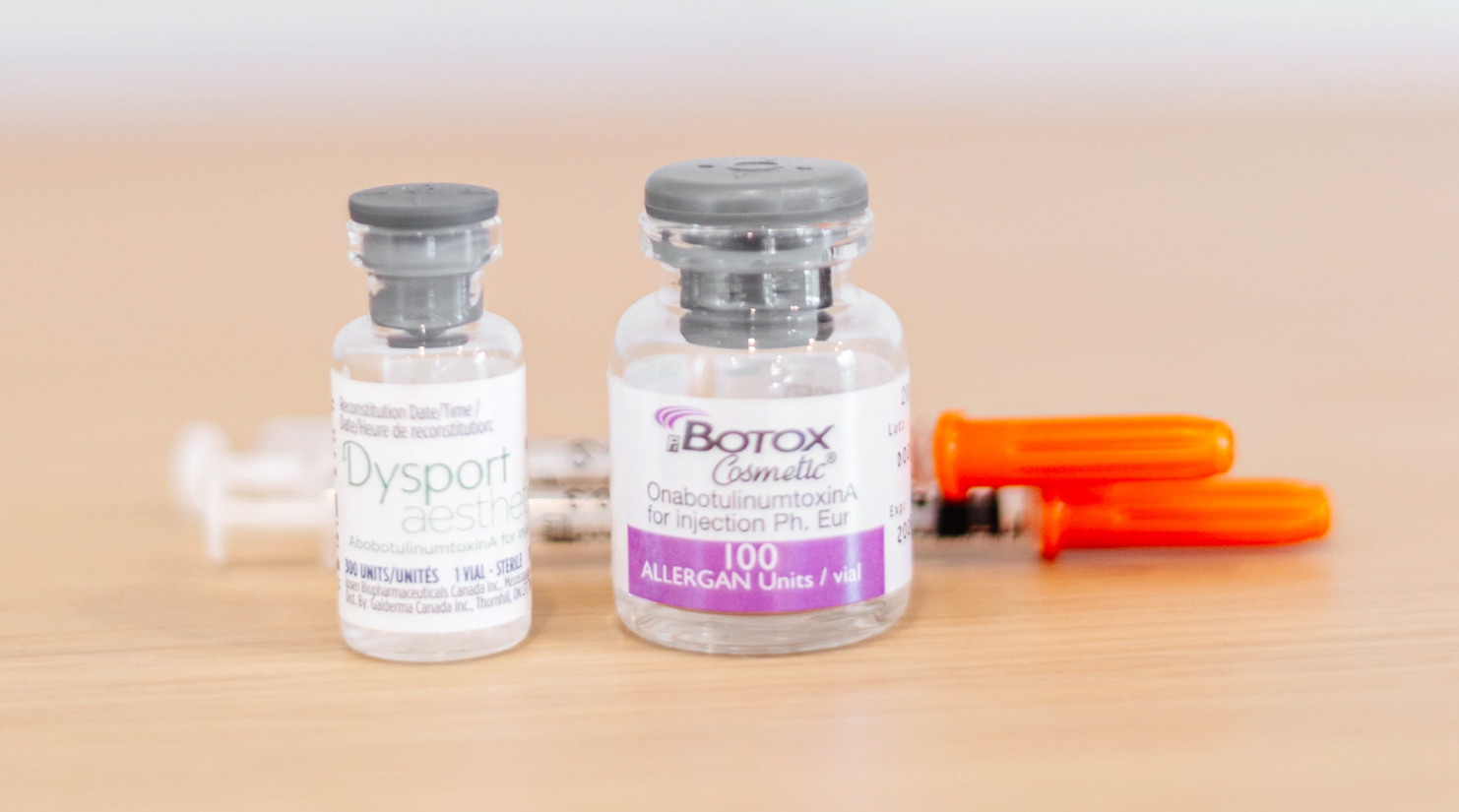
Botox is a widely used cosmetic procedure that’s used to reduce facial wrinkles and lines. Botox is not a product that you can use at home on your skin every day, as skin care products do. It has an effect that will slowly fade over time, so individuals who appreciate the outcomes may wish to have subsequent treatments.
But there is no single schedule that is applicable to everyone. The frequency of Botox is dependent on the treatment area, dosage, response to the treatment, and muscle activity, as well as the desired outcomes you discussed with your qualified practitioner.
How Long Do Botox Results Usually Last?
The cosmetic effect of Botox may persist for 3 to 4 months for many people. Depending on their body’s response to the treatment, some people notice results for a shorter or longer duration.
Botox is a toxin that helps temporarily relax certain muscles that contribute to the formation of expression lines. Treated lines may reappear as muscles gradually come back to function.
This doesn’t always mean that you require another treatment right away. Your practitioner should review the results of your session and discuss with you if another session is needed or not.
When Should You Schedule Your Next Treatment?
Commonly, patients come back for Botox every 3-4 months, although this may be spaced out to longer periods depending on the individual. Others may choose to wait until they feel more movement or the gradual return of facial lines or until their practitioner recommends a treatment course.
Generally, it is better to focus on the progress of your results rather than just booking treatment on a specific date. In a subsequent consultation, your practitioner can evaluate the treated area to see if any additional treatment is necessary.
What Factors Affect How Often You Need Botox?
Several factors can influence how long your Botox results remain noticeable.
Treatment area: The face is made up of a variety of muscle groups, each using at varying levels of activity. This can have an impact on the duration of result maintenance.
Facial muscle activity: If facial muscles are stronger or more active, individuals with stronger muscles may experience movement returning earlier.
Personal reaction: Botox has a different effect on each person. Various factors, including metabolism, muscle structure, lifestyle, and past therapies, can contribute.
Treatment plan: The amount used and the areas treated can influence the overall result and how long it lasts.
Treatment history: Your practitioner may consider how you responded to previous sessions when planning future appointments.
Does Botox Last Longer With Regular Treatments?
Others may feel their Botox effect is enhanced when they receive it regularly over the years. This could be due to lower muscle use at the treated sites.
But it is not that all people will require Botox fewer times as they grow older. Results are individual, and treatment should always be based on your appearance, goals, and professional assessment.
Regular treatment should not mean more than the recommended dosage of Botox. Your practitioner can recommend a suitable timeframe as per your past findings.
Botox and Dermal Fillers Are Not the Same
Botox and dermal fillers are often discussed together because both are used in cosmetic treatments, but they work differently.
Botox in Burlington is injected to reduce the movement of certain muscles and is frequently used for lines resulting from expression. Dermal fillers are injections that are used to plump up or give shape to certain sections of the face.
While some people might receive both treatments as components of a more comprehensive cosmetic strategy, these two treatments are not interchangeable. Treatment will vary based on the concern and the desired outcome.
When Should You Wait Before Getting Another Treatment?
When deciding to get another Botox treatment, it is essential that the first one has had enough time to work and that your practitioner can evaluate its effectiveness.
No treatments can be given too often to ensure better results. Your practitioner will recommend a suitable time frame depending on your treatment history and individual needs.
It is also important to discuss with your doctor if you have any worries about side effects, facial movement, or outcomes that differ from what you anticipated prior to booking your second appointment.
How Can You Maintain Your Results?
While Botox results naturally wear off, taking care of your skin can complement your overall cosmetic treatment plan. A proper skincare routine, hydration, and a healthy lifestyle can all help to keep the skin looking its best.
Additionally, it is a good idea to know when you are having treatments and how long you can see a difference. This information may assist you and your practitioner with future visits.
Final thoughts
There is no set timeline for Botox treatments; many people receive them every 3-4 months. The best time will vary based on your body’s reaction, the body part treated, the results you are looking for, and your practitioner’s opinion. If you are thinking about having Botox combined with dermal fillers in Burlington, you can have a discussion with a qualified practitioner about your concerns and what you may need to think about regarding which treatments and interval may be right for you.
Most Read