How a Water Chiller Can Improve Your Production Process
In most industries, stable temperatures are vital in the operation of the industry. Temperature variation can influence product quality, equipment functioning and productivity in manufacturing and food processing, pharmaceuticals and plastics. Here a water chiller will be a useful component of the production process. Water chillers promote steady refrigeration and cooling to ensure that businesses have a stable environment that facilitates business efficiency and consistency.
What a Water Chiller Does
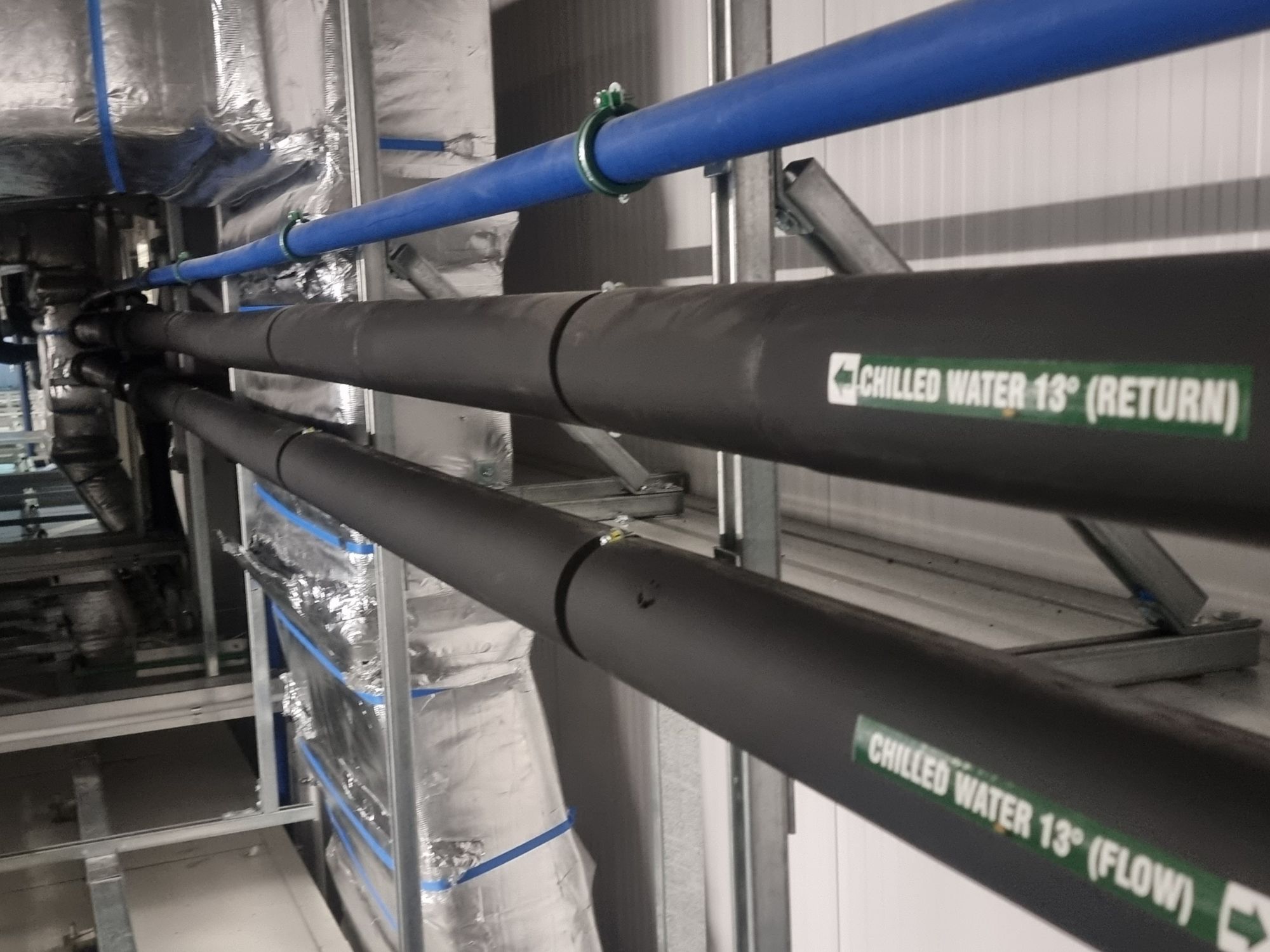
A water chiller is a cooling system that would be used to cool off processes, equipment, or products by pumping cold water in a closed loop. The chilled water takes up the heat and transfers it away so that machinery or materials can be kept within tolerable temperature conditions.
In contrast to other simple cooling systems, a water chiller offers accurate temperature regulation, which is essential in the industries where any minor differences may influence outcomes. Chillers become a cornerstone of temperature control in the entire production floor when incorporated in a larger refrigeration setup.
Improving Process Consistency and Quality
Uninterruptedness is one of the determinants of production. A lot of manufacturing processes make use of constant temperatures to provide a constant output. As an illustration, plastic molding, metal processing, or chemical production can have temperature variations, which can result in variations in material properties and change the quality of final products.
Water chillers help in maintaining stable temperatures of water used during the production process. Such control lowers the degree of variability and contributes to the ability to achieve predictable outputs. Combined with industrial refrigeration in Christchurch, it provides a condition under which processes may be subordinated to a high degree without the need to perform constant readjustments and disruptions.
Supporting Equipment Performance and Longevity
As production equipment is used, it also generates heat. Unless that heat is dealt with, the result can be wear and tear, low efficiency, or unforeseen shutdown. Components that are overheated can be used beyond the intended range and thus have a reduced life span.
Excess heat is eliminated effectively by incorporating a water chiller into the system to allow equipment to work in recommended temperature ranges. This facilitates a smooth performance and less thermal stress on machinery. A chiller will increase total cooling capacity as well as system balance in facilities already refrigerated.
Enhancing Energy Management
Optimal cooling contributes to controlling energy use in the production plants. A well-sized water chiller can also offer controlled cooling to the areas where it is most required, eliminating the use of cooling modalities that are less efficient or ad hoc.
The contemporary chiller systems are usually built in such a way that they can blend with the existing refrigeration systems so that they can have a more efficient way of distributing the energy and less tension on cooling systems. This synchronized effort can serve to stabilize the energy consumption patterns and enhance operational planning and not to claim to save guaranteed sums of money.
Minimizing Downtime in Production
The sudden increases in temperature may result in stoppage of equipment or quality problems disrupting the production schedules. Even the brief disturbances may have a ripple effect, affecting the deadlines and productivity of the working process.
Water chiller is a device that will mitigate these risks by ensuring that the cooling is constant during peak operation periods. Under the circumstances of stable temperature control, production processes will have fewer chances to stop because of either overheating or system instability. Chillers provide an additional temperature assurance in facilities where complex refrigeration is required.
Adapting to Different Industry Requirements
A water chiller has a variety of uses as one of its strengths. Chillers find application in very diverse industries such as food and beverage, medical manufacturing, electronics, and industrial processing. Every application is different in regard to its cooling needs, and it is possible to set up chillers to suit the application.
Chillers when combined with industrial refrigeration systems enable the facilities to operate a combination of cooling zones or processes at the same time. It is their ability to adapt that allows their use in small scale operations as well as large-scale production.
Enhancing the Workplace Environments
Overheating is not just an issue with machines; it may also cause a problem with the working environment. Employee comfort and concentration may be affected by high temperature in the production floor, especially in an enclosed or high output facility.
A water chiller is an indirect contribution to better working conditions as it helps to control the ambient temperatures surrounding equipment. This, together with efficient refrigeration, makes the production environment more stable and manageable, enabling the efficient day-to-day operations.
Supporting Scalability and Growth
The cooling requirements tend to go up with the increase in production needs. Water chillers can be expanded or modified to more demanding workloads, new equipment, or new production lines.
The modularity of chiller systems can be used in facilities that already have refrigeration, and in the future, the structure can be extended without replacing the current infrastructure. This is flexible and facilitates durability planning and ability.
Streamlining Temperature Control Management
Central cooling systems are also easier to monitor and control temperatures of a variety of processes. A water chiller is used to offer one point of control over cooling performance and makes it less complicated to control individual cooling units.
This centralized approach, when combined with a larger refrigeration plan, enables operators to detect trends in temperature, respond to them, and ensure that the facility is kept at the same temperature throughout.
Final thoughts
A water chiller is a significantly important device that helps in enhancing the manufacturing operations in terms of stabilizing temperature, protecting the equipment, and increasing the overall consistency of the operations. Chillers are also effective independently or in a system that may include other refrigeration methods to offer reliable cooling that can meet a large variety of industrial requirements.
Water chillers reduce the interruption and confidence rates of production facilities by keeping temperatures under control and contributing to the efficient working processes. The decision to add a water chiller to the production process may be a viable and progressive one to businesses that deal with quality, consistency, and scalability.
Most Read