How Does Laser Skin Resurfacing Work on the Skin?
With the advancements in aesthetic treatments, more people are able to choose from a wide range of options to enhance the appearance of their skin. Laser resurfacing is one of these therapies and has become a popular procedure for skin issues including uneven texture, fine lines, discoloration and sun damage. This treatment stimulates the skin’s natural regeneration process with targeted laser energy to achieve a smoother and more rejuvenated look.
Here is how laser resurfacing can help individuals make informed decisions when exploring skin rejuvenation options and discussing treatment plans with professionals.
What is Laser Skin Resurfacing?
Laser skin resurfacing is a cosmetic treatment that involves using intense beams of light to penetrate the skin in targeted areas. It is used to remove and/or damage the affected skin cells and stimulate the skin’s natural renewal process.
Depending on the type of laser used and the goals of the treatment, laser resurfacing in Oakville can be targeting the surface skin, deeper layers, or both. This process triggers body’s normal healing process for limited damage to the skin, thereby helping to create new, healthier skin over time.
How the Skin Naturally Renews Itself
The skin is continuously renewed. Old skin cells are replaced with new skin cells made in deeper layers. This can become slower as people get older and noticeable changes can occur in the texture, tone and elasticity of the skin.
Other factors like the sun, pollution, lifestyle habits and natural aging can also lead to wrinkles, uneven pigmentation and rough skin texture.
Laser resurfacing enhances the skin’s natural healing mechanisms to promote healthier, more even-looking skin.
How Laser Resurfacing Works
In laser resurfacing, laser energy is directed at specific areas of skin. Each type of laser will interact with the skin tissue in a different way.
There are two main mechanisms of action for the treatment:
Removing Damaged Surface Layers
Calcium-based waxing is done by removing the damaged surface layers.
Some lasers will remove surface layers of the skin. The treatment helps to heal damaged skin cells and stimulates growth of new ones.
This can be applied to resolve problems with:
Uneven skin texture
Surface irregularities
Sun-related skin changes
Fine lines
Stimulating Deeper Skin Layers
Other laser technologies have concentrated on providing energy that goes below the skin’s surface yet doesn’t affect the outside. This type of controlled heating can help kick-start the skin’s natural collagen production.
One of the structural proteins that is important is collagen, which is responsible for the firmness and elasticity of the skin. With age, collagen production will also reduce, and the skin may slowly lose its youthful look.
Different Types of Laser Treatments
Not all laser resurfacing treatments are the same. There are a variety of technologies depending on skin type, treatment objectives, and recovery desires.
Ablative Lasers
Ablative lasers are lasers that remove thin layers of skin. These procedures tend to focus on more visible problems in the skin texture and appearance of aging.
Non-Ablative Lasers
Non-ablative lasers target the deeper layers of the skin without damaging the surface. A reduced recovery time could be part of these treatments.
Fractional Lasers
Fractional laser systems work on small areas of the skin, leaving the surrounding skin unharmed. This way, you can treat the affected area without compromising the skin’s regeneration.
The best treatment plan can be suggested by a qualified provider, depending on the individual’s skin type and objectives.
Common Skin Concerns Addressed
Laser resurfacing is done for many cosmetic reasons. The treatment is regularly used to enhance the look of the following:
Fine lines
Wrinkles
Uneven skin tone
Sun damage
Acne scars
Rough texture
Enlarged pores
Certain pigmentation concerns
The results will depend on the individual’s response to the treatment, the skin type, and the treatment environment.
What Happens During Treatment?
Typically, the first step in treatment is a consultation where the skin concerns are assessed and whether laser resurfacing is indicated is determined.
During the procedure:
The area to be treated is cleaned.
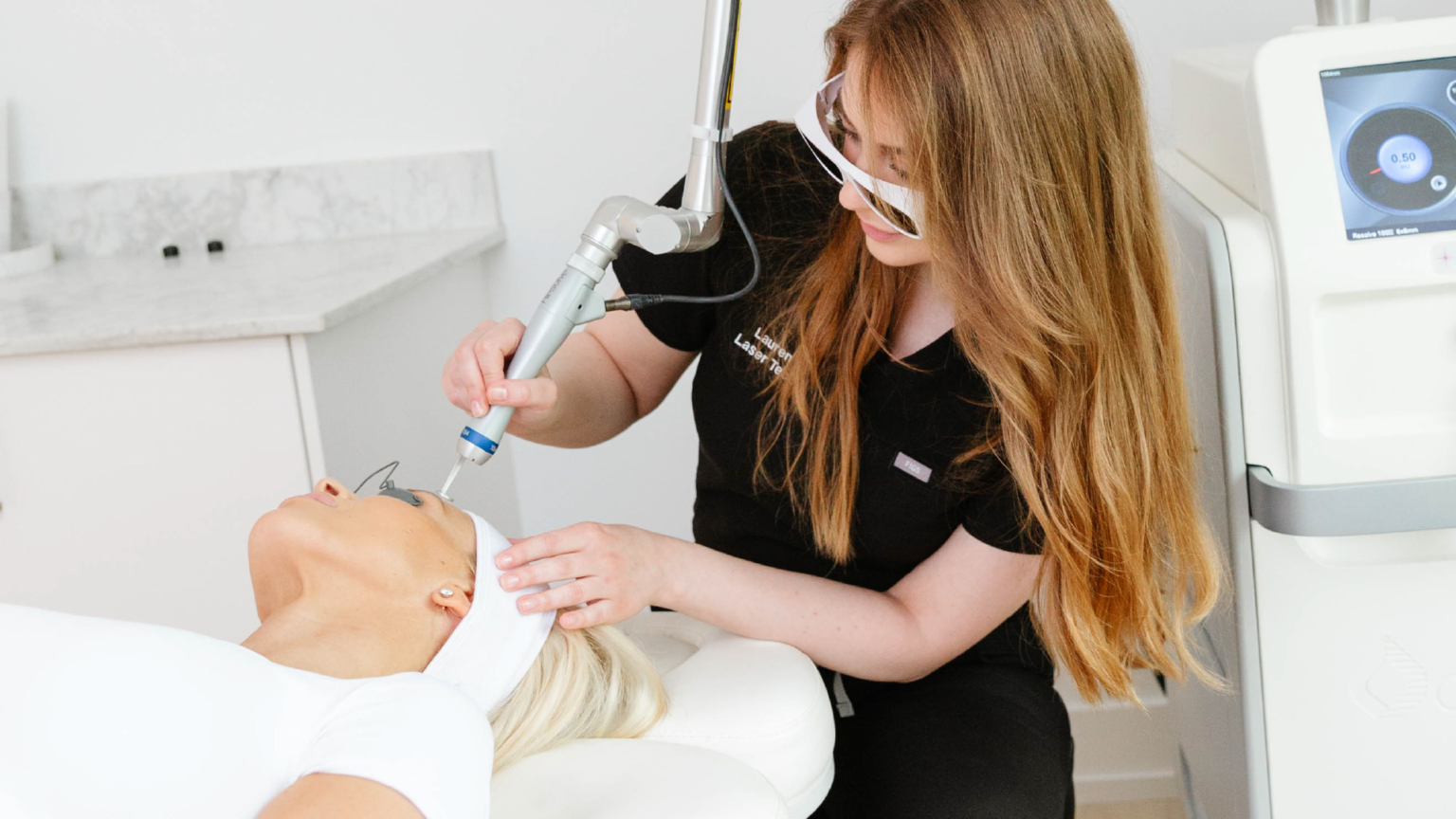
The eyes are protected with a protective device.
A laser device is moved across the skin that is being targeted.
Therapy is delivered using controlled laser energy, based on the therapy plan.
The duration of the session varies depending on the size of the area that is being treated as well as the type of laser technology being employed.
What to expect during and after treatment?
After treatment, the skin may have some temporary responses as the body recovers.
After-treatment experiences may include:
Mild redness
Sensitivity
Temporary swelling
Dryness
Peeling or flaking
Recovering will depend on the intensity of the treatment and the person’s skin.
It is crucial that the aftercare guidelines given by the treatment professional are followed to support healing.
The Role of Collagen in Skin Appearance
Who May Be a Candidate?The following factors help determine whether laser resurfacing is a good option:
Skin type
Skin condition
Medical history
Treatment goals
Current skincare routine
A professional consultation enables providers to evaluate these factors and decide on the best treatment strategy.
Final thoughts
The process of laser resurfacing involves delivering controlled laser energy to certain layers of the skin, stimulating natural renewal processes, and helping to improve the texture, tone, and appearance. The treatment can help with many common skin issues and encourage healthier skin in the long term because of the surface renewal and collagen stimulation.
For individuals interested in aesthetic enhancement, laser resurfacing can be part of a personalized treatment plan tailored to their goals. It is still a popular way of rejuvenating the skin and enhancing its appearance, even when coupled with other cosmetic treatments like body sculpting in Oakville.
Most Read