What Are the Early Signs of Hip Dysplasia in Dogs?
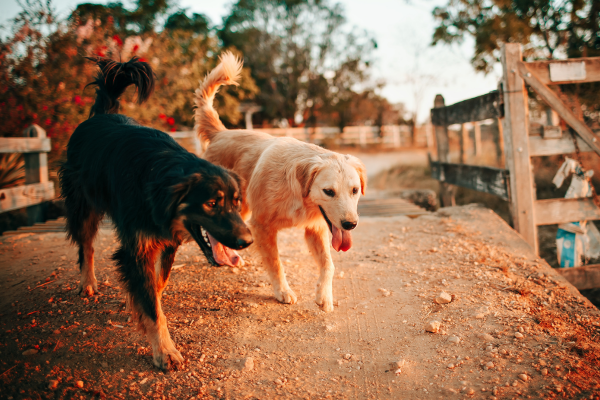
Hip dysplasia is one of the orthopedic issues that more commonly affect dogs, especially medium and larger breeds. Although it is most often associated with genetics, other environmental factors such as diet, rate of growth, and activity levels can contribute to it as well. Owners must be able to identify early hip dysplasia signs because earlier diagnosis allows veterinarians to provide earlier recommendations and planning.
This post explores the first signs of hip dysplasia, why one should be aware, and in what way encouraging overall joint health—such as through options like collagen supplements for dogs—can be considered part of a dog’s regimen.
What is Hip Dysplasia in Dogs?
Hip dysplasia is an abnormal development of the hip joint. Instead of slipping into one another smoothly, the hip joint ball and socket will not fit that well into each other, and stiffness, pain, and loss of movement ensue. Hip dysplasia is severe or mild and gradually worsens.
Because the signs may fluctuate with time, owners can miss the initial signs. Nevertheless, a small change in dog movement or activity can be critical for an earlier diagnosis.
Early Signs to Look Out For
Changes in Movement
One of the first signs that something may not be right is a shift in the mode of a dog’s movement. Dogs with early-onset hip dysplasia may:
- Exhibit stiffness, particularly after rest.
- Show a “bunny hop” gait, with the hind legs together, not apart.
- Struggle to jump up onto furniture, stairs, or into the car.
All of these symptoms won’t seem like something to worry about at first but are signs of joint problems.
Trouble Getting Up
The owners can notice the dog taking longer to stand from a lying position. The hip dysplasia patient will not be able to rise with the use of the front legs as supports to push off or will have difficulty in the middle position prior to standing. It may be very apparent after resting or after heavy exercise.
Reduced Level of Activity
A normally energetic and lively dog may lose interest in exercise or physical activity. While as much as aging may naturally slow down some dogs, a loss of interest in activities like running or extended walks could be due to joint pain.
Shifting Weight Forward
Hip-dysplastic dogs also place a greater stress on the front legs due to less supportive or painful hips. Such a position may result in seeming muscle bulging in the shoulders but narrower, less muscular hind legs.
Less Apparent Signs of Distress
In addition to movement, dogs also show signs of distress in ways less apparent than movement, such as
- Licking or grooming over their hip area.
- Being cranky at contact with their hips.
- Protection from other individuals or other animals or spurning less play or touch with owners or other animals.
Because dogs tend to hide pain, these signs may be subtle.
Risk Factors to Remember
Some breeds at greater risk for hip dysplasia are Rottweilers, Labradors, Golden Retrievers, and German Shepherds. Puppies’ quick growth, overgrowth or obesity, or excessively stressful exercise during the growing years also increases risk.
Genetics cannot be changed, but healthy living, like weight control, a balanced diet, and exercise can do a great deal for overall joint health.
Healthy Joints
Professional care from a veterinarian is necessary in the dog hip dysplasia treatment.
Owners try other treatment to provide their dog general mobility and comfort. These may include:
- Canine collagen supplements: Collagen is a cartilage, tendon, and ligament structural protein. Owners include collagen supplements in the routine of their dog as part of a joint care regimen.
- Low-impact exercise: Walking lightly or swimming will keep muscle tone without being too strenuous on hips.
- Weight control: Keeping canine weight at healthy levels reduces stress on their joints.
- Assistance settings: Anti-slip mats, ramps, or orthopedic mattresses might be a part of a dog’s normal life that has joint issues.
They are neither cures nor preventatives for hip dysplasia but are helpful to general health.
Why Early Observation Matters
Early diagnosis of hip dysplasia allows owners access to specialist evaluation and provision for consideration of potential plans for care. Even in cases of mild symptoms, a vet is able to provide advice regarding surveillance, management, and lifestyle adjustments based on the individual dog.
Proactiveness in this sense generally involves the possibility for dogs to have a superior quality of life for a longer duration thanks to developments that enhance their comfort and mobility to old age.
Final thoughts
Canine hip dysplasia may prove to be challenging, but noting the onset signs—e.g., altered gait, reduced activity, or trouble rising from a recumbent position—will enable owners to take the correct avenue and follow the right veterinary advice. Joint health will be maintained through lifestyle and therapy treatments like canine collagen supplements.
For owners exploring additional ways to promote joint strength and mobility, products such as OptiWize Collagen Plus are available to support long-term care strategies under veterinary advice. While no single approach can guarantee outcomes, being informed and attentive is one of the most valuable steps an owner can take in supporting their dog’s well-being.
Most Read